Each person has to hold up.
Naive sampling can give you a 19-year-old surgeon, or a tuna fisherman in landlocked Wyoming. The totals may look fine; the person doesn't.


One API call returns a full person across 77 traits. Calibrated to real-world distributions, so the population holds up at scale.

Married, two kids. Commutes by car to a small office in Lexington. Watches basketball most weekends.
A persona has to make sense on its own. A thousand of them have to look like a real crowd. Those are different problems.
Each person has to hold up.
Naive sampling can give you a 19-year-old surgeon, or a tuna fisherman in landlocked Wyoming. The totals may look fine; the person doesn't.
So does the whole crowd.
Good-looking individual records can still drift as a group: too many engineers, not enough nurses, the wrong age curve.
Both halves hold up.
PersonaGen samples traits in dependency order. Individual records make sense, and large samples stay close to the source baselines.
The person works. The crowd works too.
Generation runs in order. Fixed traits come first; later traits inherit those constraints.
Filters stack. The person still makes sense.
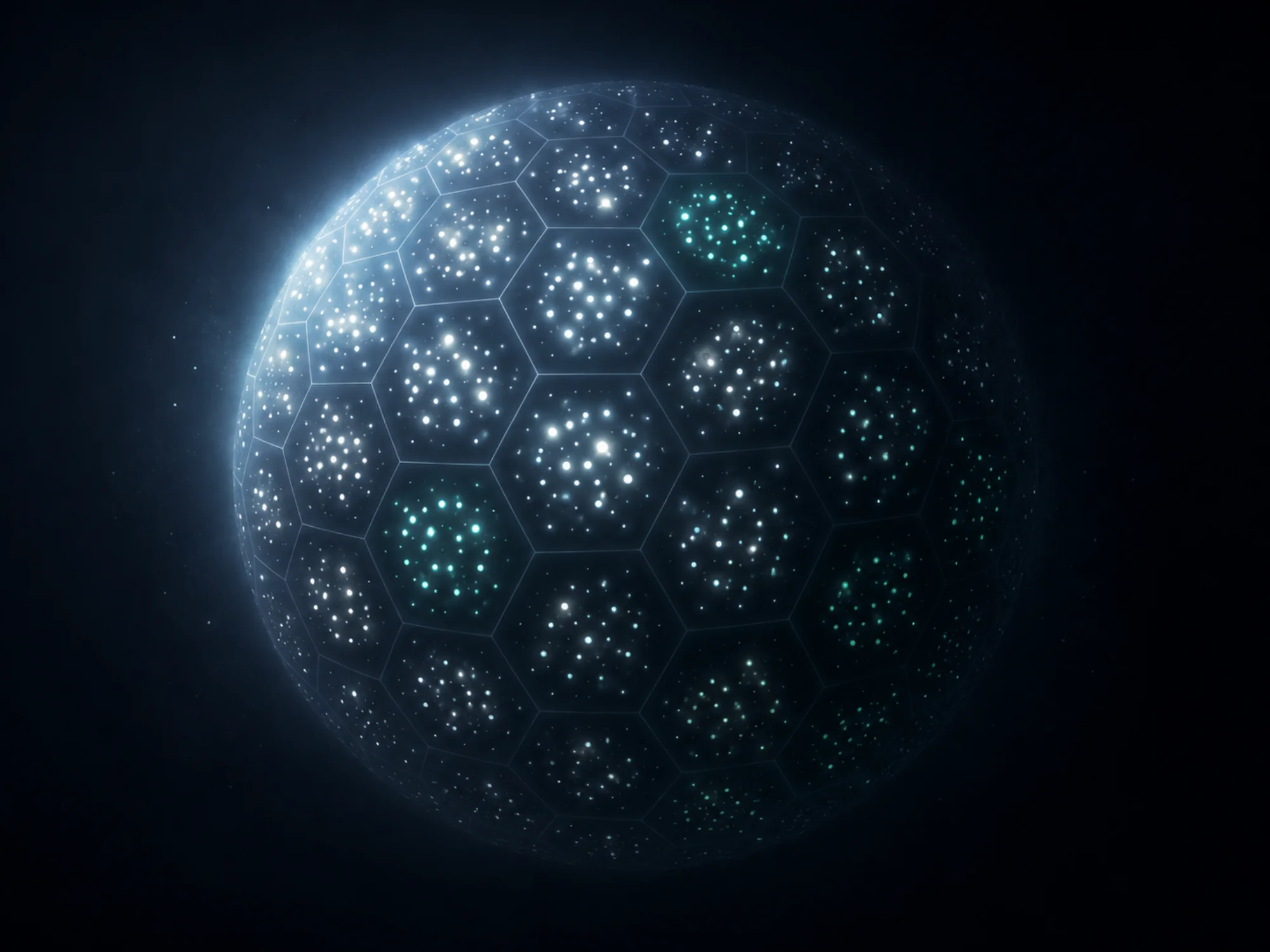
As you draw more personas, the mix moves toward the source data instead of drifting into a crowd of lookalikes.
One person makes sense. The sample does too.
Live call against the production API. Add filters, set a seed, or let it draw from the full country model.
A single persona gives you a story. A larger sample lets you measure a pattern.
Draw as many personas as you need.
Send each one through your model.
Compare the answers.
Ask the same question across a thousand personas. Compare the answers.
Check how a model answers a new parent, a retiree, or a recent graduate.
Try a flow, message, or price with a varied sample.
Controlled cohorts for teaching, agent-based simulation, or counterfactuals.
Stories, games, or NPCs cast from real demographic spread — not the same five.
Pass persona context to image models for more varied character sets.
Free for academic, non-profit, and open-source projects. Commercial use is paused. Send a short note about what you're building.
Trait distributions are calibrated against sources such as the US Census, ONS, and BLS. Large samples track those sources; single personas are plausible combinations, not copies of real people.